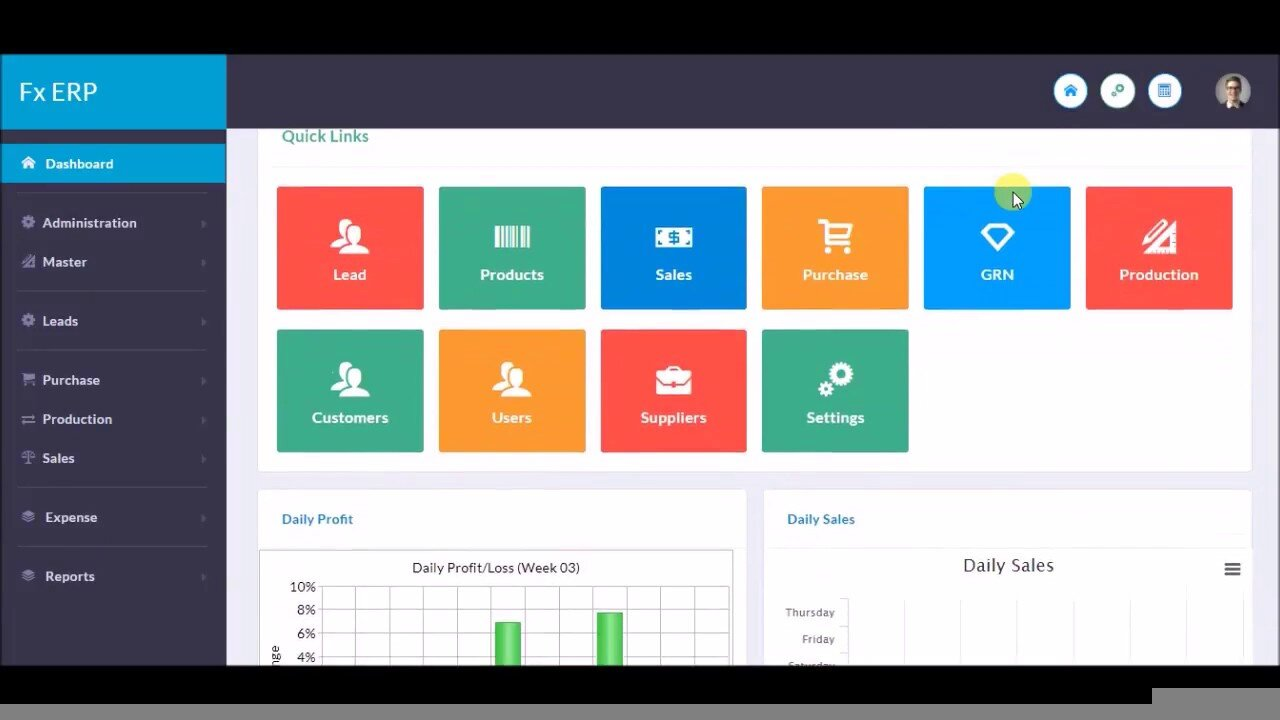
Welcome to the world of ecommerce ERP software, where efficiency and effectiveness meet to streamline your business operations. In today’s fast-paced digital landscape, having the right tools at your disposal can make all the difference in the success of your online business. With the power of ecommerce ERP software, you can manage your inventory, orders, customer relationships, and more all in one centralized system, allowing you to focus on growing your business and meeting the needs of your customers. Say goodbye to juggling multiple platforms and hello to a seamless, integrated solution that will revolutionize the way you do business.
Importance of Ecommerce ERP Software for Online Retailers
Running an online retail business can be a complex and challenging endeavor, with numerous moving parts to manage and streamline. This is where Ecommerce ERP (Enterprise Resource Planning) software comes in, offering a comprehensive solution that integrates all aspects of the business into one cohesive system. From inventory management to customer relationship management, ERP software can help online retailers effectively manage their operations and drive growth.
One of the key benefits of Ecommerce ERP software for online retailers is improved efficiency. By centralizing all data and processes into a single platform, businesses can eliminate the need for manual data entry and reduce the risk of errors. This not only saves time and resources but also helps ensure that accurate information is readily available for decision-making.
Another important aspect of Ecommerce ERP software is inventory management. For online retailers, maintaining accurate stock levels is crucial to prevent stockouts and overstock situations. ERP software can help streamline inventory processes, track stock levels in real-time, and provide insights into demand trends. This enables retailers to optimize their inventory levels, reduce carrying costs, and improve customer satisfaction through timely order fulfillment.
Furthermore, Ecommerce ERP software can enhance customer relationship management by providing a unified view of customer interactions across all touchpoints. This allows businesses to better understand their customers’ preferences, behavior, and purchase history, enabling personalized marketing strategies and tailored customer experiences. By nurturing customer relationships and delivering exceptional service, online retailers can build brand loyalty and drive repeat business.
In addition, Ecommerce ERP software offers robust reporting and analytics capabilities that enable online retailers to gain valuable insights into their business performance. By tracking key metrics such as sales, profitability, and customer acquisition costs, businesses can identify areas for improvement and make informed decisions to drive growth. With customizable dashboards and real-time reporting, ERP software empowers retailers to monitor their performance and adapt their strategies accordingly.
Overall, Ecommerce ERP software plays a crucial role in helping online retailers streamline their operations, optimize inventory management, enhance customer relationships, and drive growth through data-driven insights. By investing in a comprehensive ERP solution, businesses can leverage technology to stay competitive in the ever-evolving ecommerce landscape and meet the demands of today’s digital consumers.
Key Features to Look for in Ecommerce ERP Software
When it comes to choosing the right Ecommerce ERP software for your business, there are several key features that you should look out for. These features can help streamline your operations, improve efficiency, and ultimately drive better results for your business. Here are some of the key features to consider when evaluating Ecommerce ERP software:
1. Integration with Ecommerce Platforms
One of the most important features to look for in Ecommerce ERP software is seamless integration with your Ecommerce platform. This ensures that your inventory, sales, and customer data are all synced in real-time, allowing you to have a comprehensive view of your business operations. With integration capabilities, you can easily manage product listings, pricing, orders, and customer information without the need for manual data entry or synchronization.
2. Advanced Reporting and Analytics
Another crucial feature to consider in Ecommerce ERP software is advanced reporting and analytics capabilities. These tools can provide valuable insights into your business performance, helping you make informed decisions and identify areas for improvement. Look for software that offers customizable dashboards, trend analysis, and forecasting tools to help you track key performance indicators and monitor the health of your business. With robust reporting features, you can easily generate reports on sales, inventory levels, customer behavior, and more, enabling you to optimize your operations and drive growth.
3. Inventory Management
Efficient inventory management is essential for Ecommerce businesses, and your ERP software should offer comprehensive tools to help you track and manage your stock levels effectively. Look for features such as real-time inventory tracking, automated reorder points, and multi-location inventory management to ensure that you have the right products available when your customers need them. Additionally, advanced inventory management capabilities can help you reduce stockouts, optimize stocking levels, and improve order fulfillment processes, ultimately enhancing customer satisfaction and driving sales.
4. Order Processing and Fulfillment
Streamlining your order processing and fulfillment workflows is essential for delivering a seamless shopping experience to your customers. Look for Ecommerce ERP software that offers features such as order tracking, automated order processing, and integration with shipping carriers to simplify the fulfillment process. Additionally, tools like pick-pack-ship workflows, drop shipping support, and order routing capabilities can help you optimize your order fulfillment operations, reduce manual errors, and improve order accuracy and delivery times.
5. Customer Relationship Management
Building strong customer relationships is key to success in Ecommerce, and your ERP software should include robust customer relationship management (CRM) tools to help you manage and nurture your customer base. Look for features such as customer profiling, order history tracking, automated email marketing, and customer support integration to enhance your customer engagement efforts. By understanding your customers’ preferences, behaviors, and purchase history, you can tailor your marketing campaigns, personalize your promotions, and provide exceptional customer service to drive loyalty and repeat business.
In conclusion, when selecting Ecommerce ERP software for your business, it’s important to consider a range of key features that can help you streamline operations, improve efficiency, and drive better results. By looking for integrated platforms, advanced reporting and analytics, inventory management tools, order processing capabilities, and customer relationship management features, you can empower your business with the tools it needs to succeed in today’s competitive Ecommerce environment.
Benefits of Integrating Ecommerce ERP Software with Your Online Store
Running a successful online store requires more than just great products and a user-friendly website. In today’s competitive market, businesses must also focus on streamlining their operations and improving efficiency. One way to achieve this is by integrating Ecommerce ERP software with your online store. Here are some of the benefits of doing so:
1. Enhanced Inventory Management:
Ecommerce ERP software allows you to manage your inventory more effectively by providing real-time updates on stock levels. This means you can avoid stockouts, reduce excess inventory, and improve overall stock accuracy. With accurate inventory data at your fingertips, you can make better decisions when it comes to purchasing, sales forecasting, and order fulfillment.
2. Seamless Order Processing:
By integrating Ecommerce ERP software with your online store, you can automate the order processing workflow. This means that as soon as a customer places an order on your website, the information is automatically synced with your ERP system. This streamlines the entire fulfillment process, reducing the risk of errors and ensuring orders are processed quickly and accurately.
3. Comprehensive Reporting and Analytics:
One of the key benefits of integrating Ecommerce ERP software with your online store is access to comprehensive reporting and analytics. With ERP software, you can generate detailed reports on various aspects of your business, such as sales performance, customer behavior, and inventory turnover. These insights can help you make informed decisions, identify trends, and optimize your operations for greater profitability.
4. Improved Customer Relationships:
Another advantage of integrating Ecommerce ERP software with your online store is the ability to enhance customer relationships. By having a centralized database that stores customer information and purchase history, you can provide personalized experiences to your customers. This can range from targeted marketing campaigns to customized product recommendations, ultimately leading to increased customer satisfaction and loyalty.
5. Streamlined Financial Management:
Managing finances can be a daunting task for online retailers, especially as the business grows. Ecommerce ERP software can help simplify financial management by integrating accounting, invoicing, and payment processing into one platform. This reduces the need for manual data entry, minimizes errors, and ensures accurate financial reporting.
Challenges to Consider When Implementing Ecommerce ERP Software
Implementing Ecommerce ERP software can bring numerous benefits to a business, but it also comes with its fair share of challenges. It is essential to consider and plan for these challenges to ensure a successful implementation process. Here are some of the key challenges to be aware of:
1. Integration with existing systems: One of the most significant challenges when implementing Ecommerce ERP software is the integration with existing systems. Many businesses already have various software and systems in place, and integrating the new ERP software with these can be complex and time-consuming. It is crucial to carefully plan the integration process to avoid disruption to existing operations.
2. Data migration: Another challenge that businesses often face when implementing Ecommerce ERP software is data migration. Transferring data from old systems to the new ERP software can be a complicated task, especially if the data is disorganized or stored in different formats. It is essential to clean and prepare the data properly to ensure a smooth migration process.
3. Customization and configuration: Ecommerce ERP software often needs to be customized and configured to meet the specific needs of a business. This can be a challenge, as it requires a deep understanding of the software’s capabilities and limitations. Businesses may need to invest in training or hire external consultants to help with the customization and configuration process.
4. Employee resistance and training: One of the most significant challenges when implementing Ecommerce ERP software is employee resistance and the need for proper training. Employees may be resistant to change and reluctant to adopt the new software, which can hinder the implementation process. It is crucial for businesses to invest in thorough training programs to help employees understand the benefits of the new software and how to use it effectively.
Proper communication and change management strategies can also help to address employee resistance and ensure a smooth transition to the new Ecommerce ERP software.
In conclusion, while implementing Ecommerce ERP software can be a complex process, addressing these challenges proactively can help ensure a successful implementation. By carefully planning for integration, data migration, customization, employee resistance, and training, businesses can maximize the benefits of Ecommerce ERP software and drive growth and efficiency in their operations.
Case Studies: Successful Implementation of Ecommerce ERP Software in Online Businesses
Implementing Ecommerce ERP software can have a significant impact on the success of online businesses. Let’s take a closer look at five case studies that showcase the successful implementation of Ecommerce ERP software in online businesses.
1. Amazon
Amazon is a global giant in the Ecommerce industry that successfully implemented ERP software to streamline their operations. By using ERP software, Amazon was able to manage their inventory more effectively, track customer orders in real-time, and improve overall efficiency. This led to a better customer experience and increased sales for the company.
2. Shopify
Shopify is a popular Ecommerce platform that helps businesses set up online stores. By integrating ERP software into their platform, Shopify was able to provide their customers with a more comprehensive solution for managing their Ecommerce operations. This resulted in increased customer satisfaction and retention rates for Shopify.
3. Zara
Zara, a leading fast-fashion retailer, implemented ERP software to improve their supply chain management and inventory control. This allowed Zara to respond quickly to changing customer demands and trends, resulting in higher sales and market share for the company.
4. Wayfair
Wayfair, an online furniture and home goods retailer, used ERP software to streamline their order processing and inventory management. This helped Wayfair to improve their operational efficiency, reduce costs, and provide customers with a seamless shopping experience. As a result, Wayfair saw an increase in repeat purchases and customer loyalty.
5. Warby Parker
Warby Parker, a popular online eyewear retailer, implemented ERP software to centralize their operations and improve their order fulfillment process. With ERP software, Warby Parker was able to track orders from start to finish, ensure timely delivery, and enhance customer satisfaction. This resulted in an increase in sales and brand loyalty for Warby Parker.
These case studies demonstrate the successful implementation of Ecommerce ERP software in online businesses. By leveraging ERP software, companies can enhance their operational efficiency, improve customer satisfaction, and drive business growth in the competitive Ecommerce market.
Originally posted 2025-07-15 15:44:03.