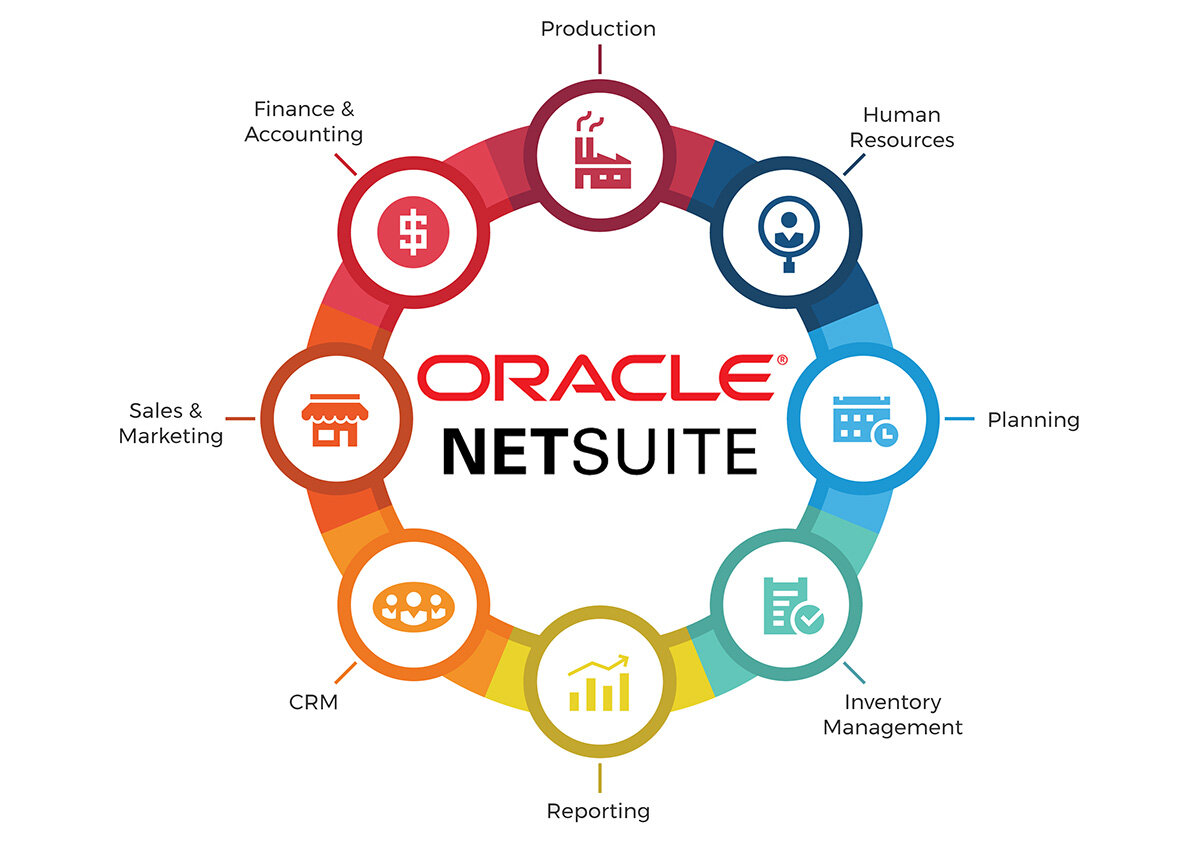
Welcome to the world of Netsuite ERP! If you’re looking to streamline your business operations and boost efficiency, setting up Netsuite ERP could be the game-changer you’ve been searching for. From financial management to procurement and supply chain, this comprehensive software solution offers a wide range of features to help you manage your business more effectively. In this article, we’ll explore the benefits of Netsuite ERP and provide you with some tips on how to set it up for your specific business needs.
Setting up Netsuite ERP: A Step-by-Step Guide
Setting up Netsuite ERP can be a daunting task, but with this step-by-step guide, you will be able to navigate the process smoothly. The first step in setting up Netsuite ERP is to define your business requirements and goals. This is a crucial step as it will help determine the features and functionalities you will need from the system. Take the time to thoroughly assess your current business processes and identify areas that need improvement. Consider what modules you will need to streamline operations and enhance productivity.
Next, review your data and ensure it is clean and accurate before importing it into Netsuite. This will prevent any issues with data integrity down the line and make the setup process much smoother. It is also important to involve key stakeholders in this process to ensure that everyone’s needs and concerns are addressed.
After defining your requirements and goals, the next step is to configure Netsuite to meet your specific needs. This involves setting up custom fields, workflows, and user roles to align with your business processes. Take the time to customize the system to ensure it meets your unique requirements and workflows.
Once you have configured Netsuite to your specifications, the next step is to import your data into the system. This includes customer records, sales orders, inventory data, and more. It is crucial to carefully map and validate your data to ensure a smooth transition.
After importing your data, the final step is to test the system to ensure everything is functioning correctly. This includes testing workflows, reports, and integrations to verify that the system meets your requirements. It is important to conduct thorough testing to identify any issues or errors that may need to be addressed before going live.
In conclusion, setting up Netsuite ERP requires careful planning and attention to detail. By following this step-by-step guide, you can ensure a smooth and successful implementation of Netsuite ERP for your business. Remember to involve key stakeholders, define your requirements, configure the system to meet your needs, import your data carefully, and thoroughly test the system before going live. With proper planning and execution, Netsuite ERP can help streamline operations and drive business growth for your organization.
Key Considerations for Successful Netsuite ERP Implementation
When it comes to implementing Netsuite ERP, there are several key considerations that can make or break the success of the project. One of the most important factors to consider is the level of support and buy-in from executive leadership. Without their support, it can be challenging to secure the necessary resources and make critical decisions. Additionally, having a dedicated project manager who is knowledgeable about both the technical and business aspects of the ERP system is crucial for ensuring a smooth implementation process.
Another critical consideration is the readiness of your organization to undergo a major change. Implementing a new ERP system can be a disruptive process, so it’s essential to assess whether your employees are prepared for the transition. Providing adequate training and support for end-users is key to ensuring that they can effectively use the new system and maximize its benefits.
Furthermore, it’s essential to carefully evaluate your current business processes and workflows before implementing Netsuite ERP. This will help you identify areas for improvement and ensure that the new system aligns with your organization’s goals and objectives. It’s also important to establish clear and realistic goals for the implementation process, as well as a timeline for achieving them.
Additionally, selecting the right implementation partner is crucial for the success of your Netsuite ERP project. Look for a partner with experience in your industry and a proven track record of successful implementations. A good implementation partner will not only help you customize the system to meet your specific needs but also provide ongoing support and guidance throughout the process.
Lastly, communication is key to a successful Netsuite ERP implementation. Keeping all stakeholders informed and involved throughout the process will help to mitigate resistance to change and ensure that everyone is on the same page. Regular updates, training sessions, and feedback mechanisms can all help to keep the project on track and ensure a smooth transition to the new system.
Customizing Your Netsuite ERP System to Meet Your Business Needs
When it comes to implementing an ERP system like Netsuite, one size does not fit all. Every business has unique requirements and processes that need to be considered when setting up their ERP system. Customizing your Netsuite ERP system to meet your business needs is essential to maximizing its potential and ensuring that it aligns with your specific operations.
Here are some key areas where customization can help tailor your Netsuite ERP system to fit your business needs:
- Custom Workflows: One of the biggest advantages of Netsuite is its flexibility in creating custom workflows. By setting up workflows that mimic your existing processes, you can streamline operations, reduce manual work, and ensure consistency in how tasks are completed. Custom workflows can be designed for anything from sales order processing to expense approvals, providing you with the agility to adapt to changing business requirements.
- Custom Fields and Forms: Another way to personalize your Netsuite ERP system is by adding custom fields and forms. These allow you to capture specific information that is unique to your business and industry. For example, you can create custom fields to track specialized product attributes, customer preferences, or project details. Custom forms can be tailored to display only the relevant information for each user, making data entry faster and more intuitive.
- Custom Reports and Dashboards: One of the key benefits of using an ERP system like Netsuite is the wealth of data it can collect and analyze. However, standard reports and dashboards may not always provide the insights you need to make informed decisions. By customizing your reports and dashboards, you can create views that are tailored to your specific KPIs and performance metrics. This allows you to visualize data in a way that is meaningful to your business, enabling you to track progress, identify trends, and spot potential issues.
- Integration with Third-Party Apps: While Netsuite offers a wide range of functionality out of the box, there may be occasions where you need additional features that are not included in the core system. In such cases, integration with third-party apps can help extend the capabilities of your Netsuite ERP system. Whether you require e-commerce integration, CRM functionality, or specialized industry tools, integrating with external applications can help you meet your unique business needs without compromising on the seamless flow of information.
By customizing your Netsuite ERP system to meet your business needs, you can optimize processes, improve efficiency, and gain a competitive edge in your industry. Whether you are a small startup or a large enterprise, tailoring your ERP system to fit your specific requirements is key to maximizing its value and driving business growth.
Tips for Training Employees on Netsuite ERP Usage
Training your employees on how to effectively use Netsuite ERP is crucial for the success of your business. While Netsuite ERP is user-friendly, it can still be overwhelming for employees who are not familiar with the system. Here are some tips to help you train your employees on Netsuite ERP usage:
1. Customize training sessions: One size does not fit all when it comes to training. Take the time to customize training sessions based on the roles and responsibilities of your employees. For example, sales teams may require different training compared to the finance department. Tailoring the training to the specific needs of each group will make the learning process more effective.
2. Provide hands-on experience: Theory can only take your employees so far. To ensure they truly understand how to use Netsuite ERP, provide them with hands-on experience. Encourage employees to practice using the system in a safe environment, where they can make mistakes without consequences. This will boost their confidence and improve their retention of the information.
3. Offer ongoing support: Learning is an ongoing process, especially when it comes to using a complex system like Netsuite ERP. Make sure to provide your employees with ongoing support and resources to help them further their knowledge. This could include access to online tutorials, user guides, or a dedicated help desk for any questions or issues they may have.
4. Gamify the training process: One fun and effective way to engage employees in the training process is by gamifying it. Create training activities that are interactive and engaging, such as quizzes, challenges, or simulations. Offer rewards or recognition for employees who excel in their training, to motivate them to participate fully and retain the information better.
By following these tips, you can ensure that your employees are well-equipped to use Netsuite ERP effectively in their daily work. Investing in proper training will not only improve employee satisfaction and productivity, but also have a positive impact on your business operations as a whole.
Best Practices for Maintaining and Upgrading Netsuite ERP System
Implementing a Netsuite ERP system is a significant investment for any organization, and it is crucial to ensure that the system is maintained and upgraded regularly to maximize its efficiency and effectiveness. Here are some best practices for maintaining and upgrading your Netsuite ERP system:
1. Regularly Update Netsuite: Netsuite releases regular updates and patches to improve the functionality and security of the system. It is important to stay current with these updates by regularly checking for new releases and scheduling regular maintenance windows to apply them. Keeping Netsuite up to date will ensure that your system is running smoothly and securely.
2. Conduct Regular System Audits: It is important to conduct regular system audits to identify any potential issues or areas for improvement within the Netsuite ERP system. This can include reviewing user access permissions, monitoring system performance, and ensuring that all modules are being utilized effectively. By conducting regular audits, you can proactively address any issues before they escalate into larger problems.
3. Provide Ongoing Training: Employee turnover and evolving business needs can result in changes to how your organization uses Netsuite. Providing ongoing training to users on how to effectively navigate and utilize the system can help ensure that it is being used to its fullest potential. Training can also help users adapt to any new features or updates that are implemented in the system.
4. Backup Data Regularly: Data is a critical component of any ERP system, and it is important to regularly backup your Netsuite data to prevent data loss in the event of a system failure or cyber attack. Consider implementing automated data backup processes to ensure that your data is consistently backed up and secure. Having regular backups will provide peace of mind and ensure that your organization can quickly recover from any data loss incidents.
5. Engage with Netsuite Support: Netsuite offers dedicated support services to help organizations troubleshoot issues, implement new features, and optimize their system. It is important to engage with Netsuite support regularly to take advantage of their expertise and guidance. Whether you need help troubleshooting a technical issue or want to explore new functionality, Netsuite support can provide valuable assistance to ensure that your system is running at its best.
By following these best practices for maintaining and upgrading your Netsuite ERP system, you can ensure that your organization is maximizing the benefits of this powerful platform. Regularly updating Netsuite, conducting system audits, providing ongoing training, backing up data, and engaging with Netsuite support are essential steps to keep your system running smoothly and efficiently.
Originally posted 2025-07-15 23:25:43.