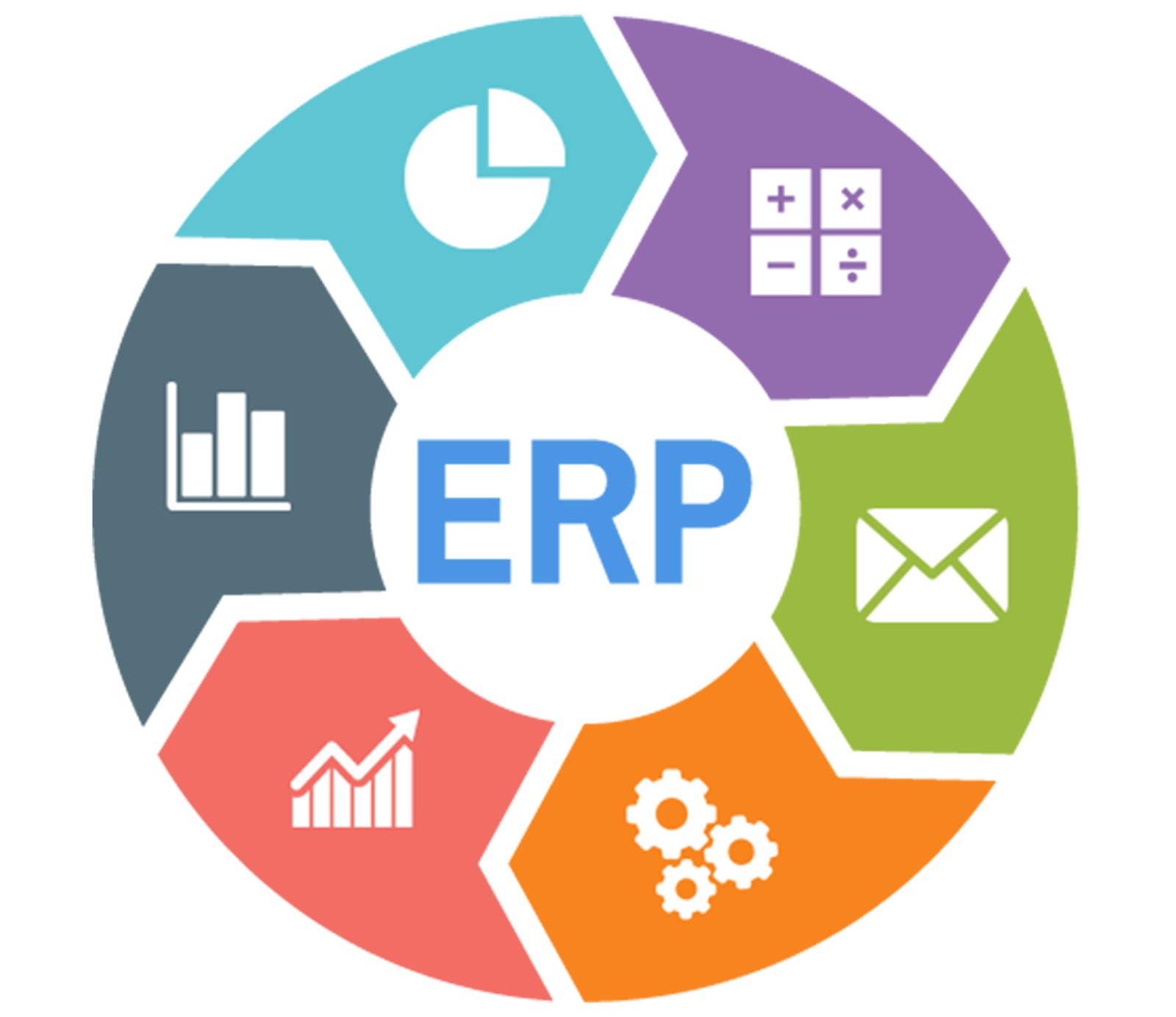
Welcome to our in-depth review of Sage ERP, where we will explore the capabilities and benefits of this powerful Enterprise Resource Planning solution. In today’s fast-paced business environment, it is crucial to have a system in place that can streamline operations, improve efficiency, and drive growth. Sage ERP offers a comprehensive suite of tools and features designed to help businesses manage their resources effectively and make informed decisions. Let’s unlock the power of Sage ERP together!
Overview of Sage ERP Features
Sage ERP is a comprehensive business management solution that offers a wide range of features to streamline operations and improve efficiency. One of the key features of Sage ERP is its ability to integrate multiple functions, such as accounting, HR, inventory management, and customer relationship management, into one system. This ensures that all aspects of the business are connected and working together seamlessly.
Another important feature of Sage ERP is its customizable dashboards, which allow users to easily access and view key performance indicators in real-time. This helps businesses make informed decisions based on up-to-date information. Additionally, Sage ERP offers advanced reporting and analytics tools that allow users to generate custom reports and gain valuable insights into their business operations.
One of the standout features of Sage ERP is its scalability, making it suitable for businesses of all sizes. Whether you are a small startup looking to grow or a large enterprise with complex operations, Sage ERP can easily adapt to your changing needs. The system is also highly customizable, allowing businesses to tailor it to their specific requirements and industry regulations.
Sage ERP also offers robust security features to protect sensitive data and ensure compliance with industry regulations. With advanced encryption and access controls, businesses can rest assured that their information is safe and secure. In addition, Sage ERP offers regular updates and support to ensure that the system is always up to date and running smoothly.
Overall, Sage ERP is a powerful and flexible solution that can help businesses improve their operational efficiency, streamline processes, and make informed decisions. With its comprehensive features, scalability, and security, Sage ERP is a trusted choice for businesses looking to take their operations to the next level.
Pros and Cons of Sage ERP
When considering Sage ERP, there are a number of pros and cons to take into account. Let’s dive into some of the key advantages and disadvantages of this software platform.
Pros:
1. Comprehensive Functionality: One of the main strengths of Sage ERP is its comprehensive functionality. It offers a wide range of features that help organizations manage their finances, inventory, sales, and more all in one integrated system. This can streamline processes and improve efficiency across the board.
2. Scalability: Sage ERP is designed to grow with your business. Whether you are a small startup or a large enterprise, Sage ERP can adapt to your changing needs and scale accordingly. This flexibility ensures that you can continue to use the software as your business expands and evolves.
3. Customization Options: Another advantage of Sage ERP is the ability to customize the software to meet your specific requirements. You can tailor the system to match your unique workflows and business processes, ensuring that it aligns with your organization’s needs and goals.
4. User-Friendly Interface: Sage ERP is known for its user-friendly interface, making it easy for employees to navigate and use the software. This can help reduce training time and increase adoption rates within your organization, improving overall productivity and efficiency.
Cons:
1. Cost: One of the main drawbacks of Sage ERP is the cost associated with implementing and maintaining the software. While the platform offers a wide range of features and functionality, it can be expensive for some organizations, especially smaller businesses with limited budgets.
2. Complex Implementation: Implementing Sage ERP can be a complex and time-consuming process. It often requires significant resources and expertise to set up and configure the software correctly, which can lead to delays and disruptions in your business operations.
3. Limited Third-Party Integrations: While Sage ERP offers a variety of features, it may not always integrate seamlessly with third-party software and applications. This can limit your ability to connect with other tools and systems that are critical to your business operations.
4. Maintenance and Support: Maintaining and supporting Sage ERP can also be a challenge for some organizations. If you encounter technical issues or need assistance, you may have to rely on the vendor’s support services, which can be costly and time-consuming.
Overall, Sage ERP offers a robust and feature-rich solution for businesses looking to streamline their operations and improve efficiency. However, it’s important to consider the potential drawbacks and challenges associated with the software before making a decision. By weighing the pros and cons carefully, you can determine if Sage ERP is the right fit for your organization’s needs.
Sage ERP Pricing and Packages
Sage ERP offers a range of pricing plans and packages to cater to the needs of businesses of all sizes. The pricing of Sage ERP software depends on various factors such as the number of users, modules included, and customization requirements. Businesses can choose from different pricing plans based on their requirements and budget.
One of the most popular pricing plans offered by Sage ERP is the subscription-based model. Businesses can pay a monthly or annual subscription fee to access the software and receive regular updates and support. This pricing model is ideal for businesses that want to avoid large upfront costs and prefer to pay as they go. The subscription-based model also includes automatic updates, ensuring that businesses always have access to the latest features and enhancements.
In addition to the subscription-based model, Sage ERP also offers on-premise pricing options. In this pricing model, businesses purchase a perpetual license for the software and pay a one-time fee. This pricing model gives businesses full control over the software and allows for customization and integration with other systems. However, on-premise pricing models typically involve higher upfront costs compared to subscription-based models.
For businesses that require specialized features or customization, Sage ERP also offers tailored pricing packages. These packages are designed to meet the unique needs of businesses in specific industries or with advanced requirements. Businesses can work with Sage ERP’s consultants to create a customized pricing package that includes the modules and features they need to streamline their operations and improve efficiency.
Sage ERP pricing and packages also include additional services such as implementation support, training, and ongoing customer support. Businesses can choose the level of support they need based on their internal resources and expertise. Sage ERP’s team of experts is available to help businesses with software installation, data migration, user training, and troubleshooting. This ensures a smooth transition to the new software and minimizes disruptions to business operations.
Overall, Sage ERP offers flexible pricing and packages to meet the needs of businesses of all sizes. Whether businesses prefer a subscription-based model, on-premise pricing, or a customized package, Sage ERP has a solution to fit their requirements. With a focus on scalability, usability, and customer support, Sage ERP is a reliable choice for businesses looking to streamline their operations and drive growth.
Customer Reviews of Sage ERP
Sage ERP has received mixed reviews from customers who have used the software. Many users have praised its user-friendly interface and easy navigation, making it simple for employees to learn and use. In addition, customers have noted that Sage ERP offers a wide range of features that can be tailored to meet the specific needs of their business. This customization has been particularly beneficial for companies in various industries, allowing them to streamline their processes and improve efficiency.
However, some customers have reported difficulties with the implementation process, stating that it can be time-consuming and complex. While the software is highly customizable, this also means that it may require a significant amount of set-up and configuration to fully optimize its capabilities. This can be frustrating for businesses that are eager to start using the software but are met with obstacles during the initial stages of implementation.
Another common complaint among customers is the cost of Sage ERP. While the software offers a great deal of functionality, some users have found the pricing to be on the higher side. This can be a deterrent for smaller businesses with limited budgets, as they may not be able to justify the expense of implementing Sage ERP compared to other, more affordable options on the market.
Overall, customer reviews of Sage ERP highlight the software’s strengths in terms of usability and customization, as well as its drawbacks in terms of implementation complexity and cost. Businesses considering implementing Sage ERP should carefully weigh these factors and consider their specific needs before making a decision.
How Sage ERP Compares to Competitors
Sage ERP stands out among its competitors in the market due to its comprehensive features, user-friendly interface, and scalability. When compared to other ERP solutions such as SAP, Microsoft Dynamics, and Oracle, Sage ERP offers unique advantages that cater to the specific needs of small and medium-sized businesses.
One of the key advantages of Sage ERP is its affordability. While SAP and Oracle are known for their high costs, Sage ERP offers a more cost-effective solution without compromising on functionality. This makes it an attractive option for businesses looking to implement an ERP system without breaking the bank.
In terms of features, Sage ERP offers a wide range of modules that cover essential business functions such as accounting, inventory management, sales, and customer relationship management. These features are designed to streamline operations, increase efficiency, and improve decision-making processes within the organization.
Another area where Sage ERP outshines its competitors is its user-friendly interface. The system is intuitive and easy to navigate, making it accessible to users with varying levels of technical expertise. This ease of use is a significant advantage for businesses looking to implement an ERP system quickly and without the need for extensive training.
Furthermore, Sage ERP is highly scalable, allowing businesses to easily expand and adapt the system as their needs evolve. This scalability is crucial for businesses experiencing growth or undergoing changes in their operations, as it ensures that the ERP system can grow with the organization.
When compared to competitors such as Microsoft Dynamics, Sage ERP offers a more tailored solution for small and medium-sized businesses. While Microsoft Dynamics is a robust ERP system with advanced features, it is often better suited for larger enterprises with more complex operations. Sage ERP, on the other hand, is designed specifically for the needs of SMBs, making it a more suitable choice for businesses in this category.
In conclusion, Sage ERP stands out among its competitors for its affordability, comprehensive features, user-friendly interface, and scalability. These advantages make it a compelling choice for small and medium-sized businesses looking to implement an ERP system that can support their growth and streamline their operations.
Originally posted 2025-07-15 07:10:24.